The chair is made up of 2450 acrylic sticks, each stick measuring only 5 mm. Glued together, they transform into an evocative structure that maintains a visual fragility but is a robust and functional chair that supports almost any weight. Designed by Japanese designer Junpei Tamaki, the seating structure appears fragile and delicate in its translucency, but also functional and stabile, with its rectangular form and massing. Depending on the light, it seems solid. However, on closer inspection, a pattern of acrylic segments is revealed. Read the rest of this entry »
2450 White/Clear Chair Made of Acrylic Sticks
Algae Urban Farm / ecoLogicStudio
The project seeks to provide the Benetton Group with a site specific building prototype able to give material consistence to such a renewed model. It is designed by ecoLogicStudio, a firm mostly oriented towards combining new computational technologies with natural principles and ecosystem processes. The initial idea for the project was found in the “recycling” of past Iranian architectural models and prototypes that are still deeply rooted into the culture of the place and are, at the same time, providing solutions that perfectly fit local microclimatic conditions. However the contemporary business models demand an architectural and material reinvention of those traditional models to accommodate the new spatial and per-formative requirements as well as communication/ branding potentials.
The main local models recycled in the project are: the geometric Islamic patterns and ornaments, employed as organizational principles for the plan, facade and structural systems; passive cooling techniques, turned into an innovative system of solar control and screening as well as passive ventilationand ground cooling; thermoregulatory systems using the thermal mass of the building envelope and the ground, reinvented in a new “deep facade” system using water as thermal storage and heat regulator. Read the rest of this entry »
Conceptual Cathedral Based on Oyster’s Geometry / Nir Ben Natan
Architect Nir Ben Natan unveiled a generic proposal for a cathedral. The envelope of the structure is composed of repeated elements relying on a central arc which constitutes an avenue for the system of skylight windows which penetrates natural light into the interior of the building.
The inspiration for the structure was derived from the body of an oyster, which in itself was designed to protect and nurture the precious pearl developing within it. Thus, this cathedral expresses the church and the pure belief, which nurtures the belivers during assembly for prayer. In this way, the structure serves the believers by creation of a space intensifying the emotional experience and spiritual elevation at prayer time.
Title: eVolo_04: Re-imagining the Contemporary Museum, Exhibition & Performance Space
Cover: Perfect Bound
Size: 9″ x 11.5″
Pages: 192
ISSN: 1946-634x
Summer 2012
INTRODUCTION
The architecture for performance and exhibition, being museums, galleries, music halls, pavilions, etc., has been in the leading edge of architectural innovation throughout the history and evolution of the discipline. Architects and designers experiment on new aesthetics, concepts, and ideas with projects that tend to have a flexible program and a large budget. In many cases, the main requirement of such structures is not only to accommodate a specific program but also to inspire the imagination of its users and challenge the current state of architectural design. Some examples, such as the Guggenheim Museum Bilbao by Frank Gehry or the Sydney Opera House by Jørn Utzon are considered design masterpieces of the 20th Century. Gehry’s Museum transformed the city of Bilbao from a small industrial Spanish city into a world destination, while Utzon’s Opera House become the symbol of Sydney and Australia.
This issue of eVolo studies the most innovative examples of performance and exhibition architecture today. These are projects that revolutionize architecture on many levels, including sustainability, aesthetics, technology, and urban design. It is interesting to point out that these works are not concentrated in one specific region, but are located in every corner of the globe; from MVRDV’s Comic and Animation Museum in China, to the new Broad Museum in Los Angeles by Diller Scofidio + Renfro, or Kengo Kuma’s Victoria and Albert Museum in Dundee, Scotland. Read the rest of this entry »
Urban Parasite Creates New Types of Habitation for Seoul / Paul Tse
The project attempts to integrate the homogenous structure of public housing with the urban fabric by blurring out the boundary between public and private. It uses the example of Seoul as the architectural paradigm for a contemporary Asian city. The program of the project relates to a unique building typology in Korea called “Keunseng” (community building), which consists of retail spaces, after school classes, and various “Bangs” (rooms). Both are unique to Korean culture. Since there is limited space for leisure activities inside the apartment, different kinds of Bangs emerge to provide space for leisure and entertainment.
The design involves three ways in which Bangs are assembled. Each of them directly engages with a particular condition and at the same time, draws people into the in-between plaza where the most intensive interaction take place. Each building transforms its internal programs into a public plaza, activating interaction within the community. The diversity of Keunseng is therefore disassembled and reorganized into a larger context. It is deployed as an instrument for connecting the residential unit to the street, landscape and adjacent buildings. Read the rest of this entry »
MoMA Chengdu / Studio Ramoprimo
Organized by the Chengdu Ministry of Culture and the Chengdu Culture and Tourism Development Group, the Competition for the Chinese MoMA was part of an initiative for creating a double ring of public facilities around the Tianfu Square in Chengdu. The first ring is supposed to consist of cultural facilities. The second and larger one is planned for highrises.
Designed by Studio Ramoprimo, the winning entry proposes a dialogue with the surrounding, drawing physical references from the existing urban and architectural condition. The basic idea is to enlarge the existing public space of Tianfu Square and make it “climbing” on the roof of the new building. The new museum is a group of volumes creating a small cultural city. Read the rest of this entry »
Anemone Installation / Oyler Wu Collaborative
Anemone is an art installation aimed at waving together aesthetic experience and tactile engagement- a combination generally considered off limits within the world of contemporary art. All too often, art installations are considered precious, almost sacred objects; while they are meant to be appreciated for their aesthetic beauty, they offer little in terms of human interaction. In other words, they are meant to be seen, not felt. Recognizing that human engagement is one of the key factors in creating a rich experience, Anemone has been designed with the idea of interaction as one of its key design objectives. Read the rest of this entry »
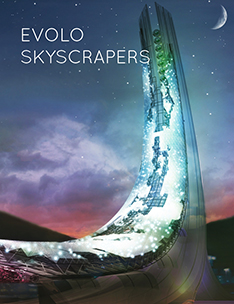
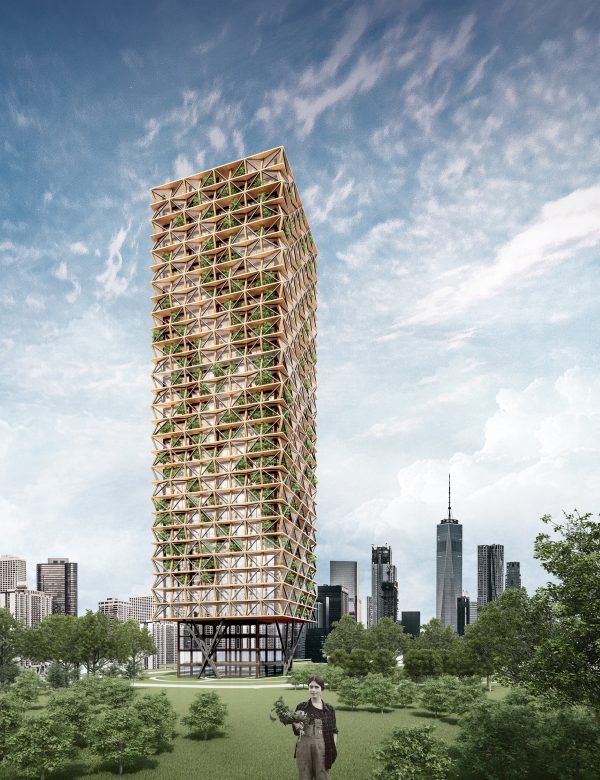
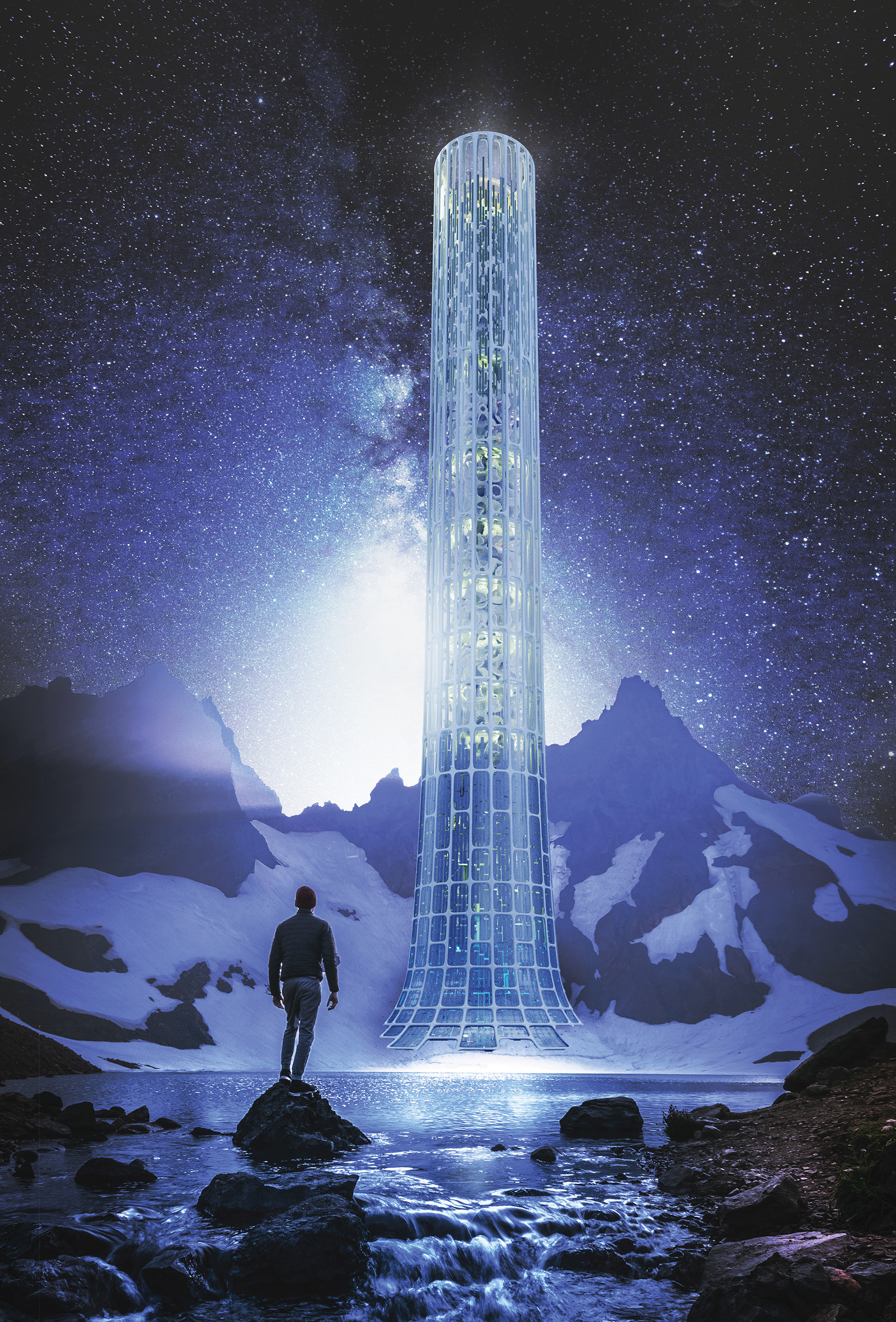
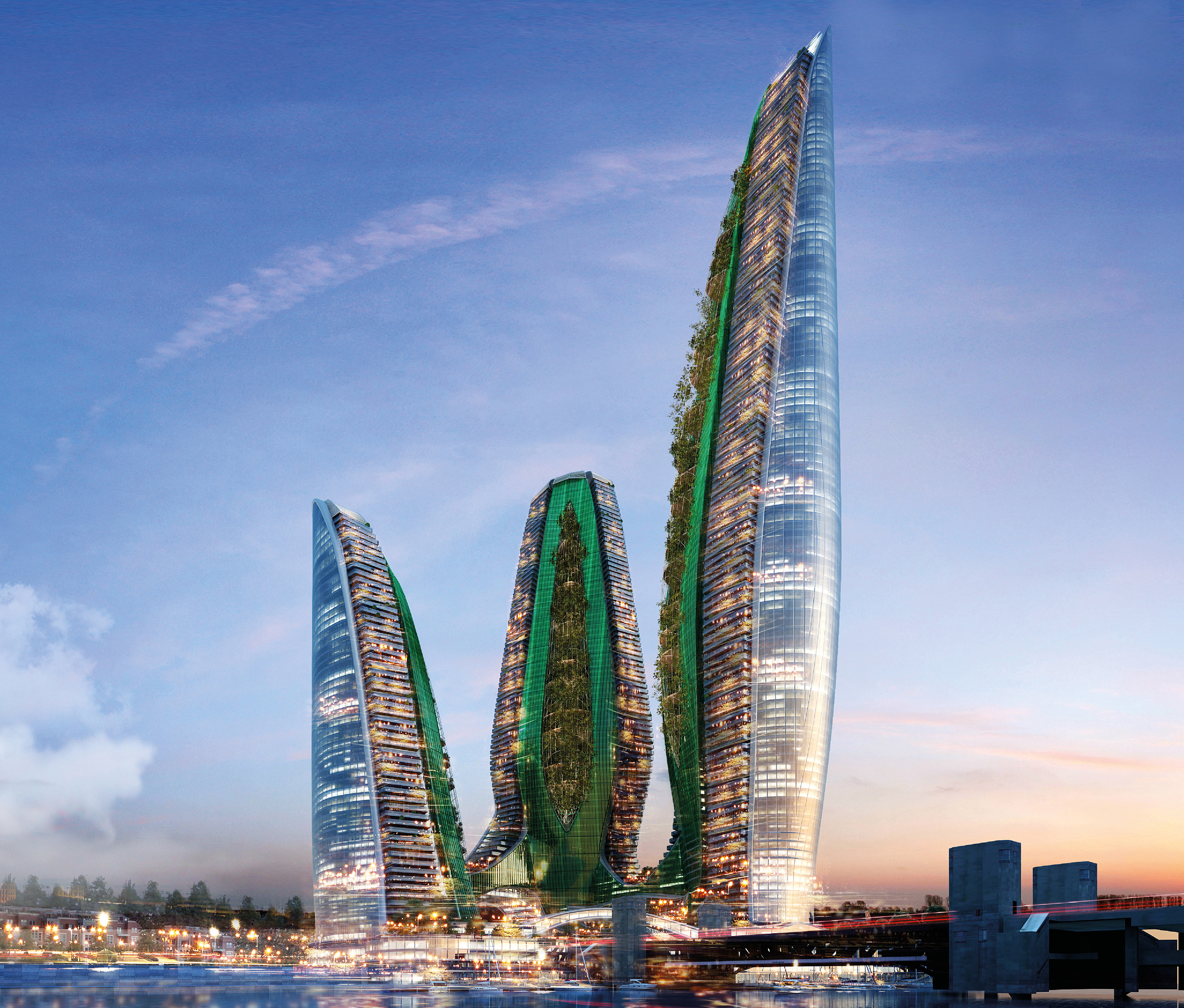
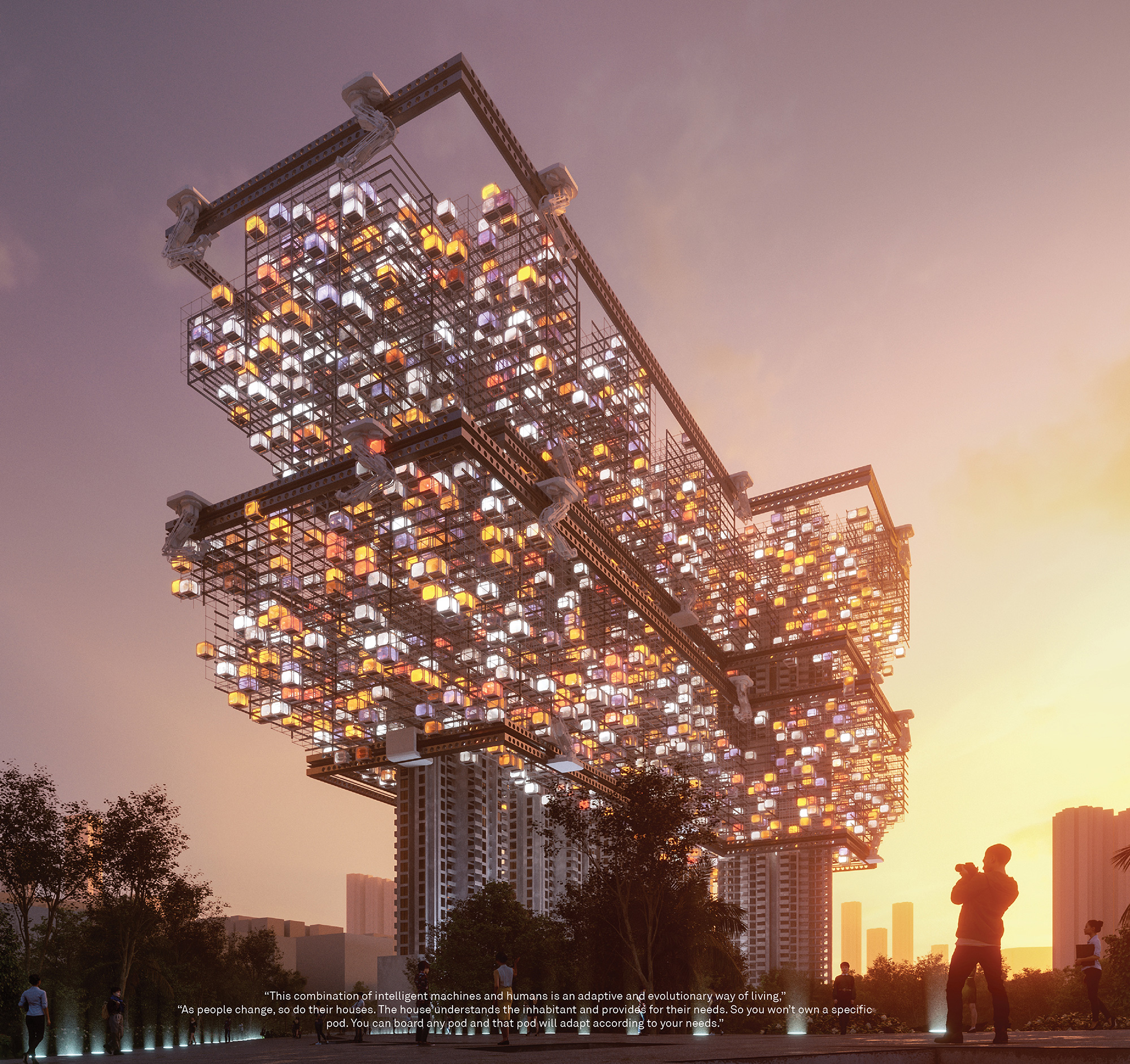
EVOLO SKYSCRAPERS Book Featured in The Wall Street Journal
We are pleased to inform you that The Wall Street Journal featured our Limited Edition Book EVOLO SKYSCRAPERS during the weekend. The full-page article highlights the role of the eVolo Skyscraper Competition in showcasing “the next generation of big buildings…the new book compiles 300 of these plans, divided into categories like technological advances, ecological urbanism and social solutions. Some of the designs tackle familiar problems, like the need for parking space, but others are more forward-looking, like buildings that incorporate robotics or are capable of flying”.
The book has a limited print run of 500 copies and the last few are exclusively available here. Read the rest of this entry »
Cocoon Lamp / Voxel Studio
The conceptual idea for the Cocoon Lamp design comes from drawing parallels between the PolyJet fabrication technology and the metamorphic behavior of insects. The cocoon is a shell, which larvae of various insects, particularly caterpillars, are building for their metamorphosis. The liquid secreted during this process is compared to a liquid photopolymer that is applied out of nozzles and hardened through UV-light.
The adaption of the construction and the clean design of a cocoon lead to the emergence of the inner element. Its geometry is formed by spun threads, which wind around the light source. The white and hard material “VeroWhite“ is perfectly suited for this construction, because it provides the required rigidity and disseminates, through its reflective surface, the light further into the space. A dark layer „TangoBlackPlus“, which is applied to the surfaces of the side of the lamellae, provides the desired color contrast and protects the surface. At its lower end a special fitting is formed, to which the holding element can be connected to. Read the rest of this entry »

Beach and Howe Twisting Residential Tower in Vancouver / BIG
This Beach & Howe Tower proposal was designed by Bjarke Ingels Group (BIG). According to Vancity Buzz, the project would be part of the rezoning strategy for the site, adopted by the city of Vancouver.
“The proposal is for a mixed-use development. On the Howe Street side, there will be a 49-story residential tower with a 9-storey podium which includes market rental housing, commercial uses, and a childcare facility. The building height is at 150 meters and will be the tallest building on the southern end of downtown and the 4th tallest building in the city, unless the Ritz Carlton site gets developed before this, in which case it would be the 5th tallest. Read the rest of this entry »