Memory Drop Skyscraper

By:  | June - 10 - 2024

2024 Skyscraper Competition
Honorable Mention

Pablo Allen Vizan, Inma Herves González
Germany

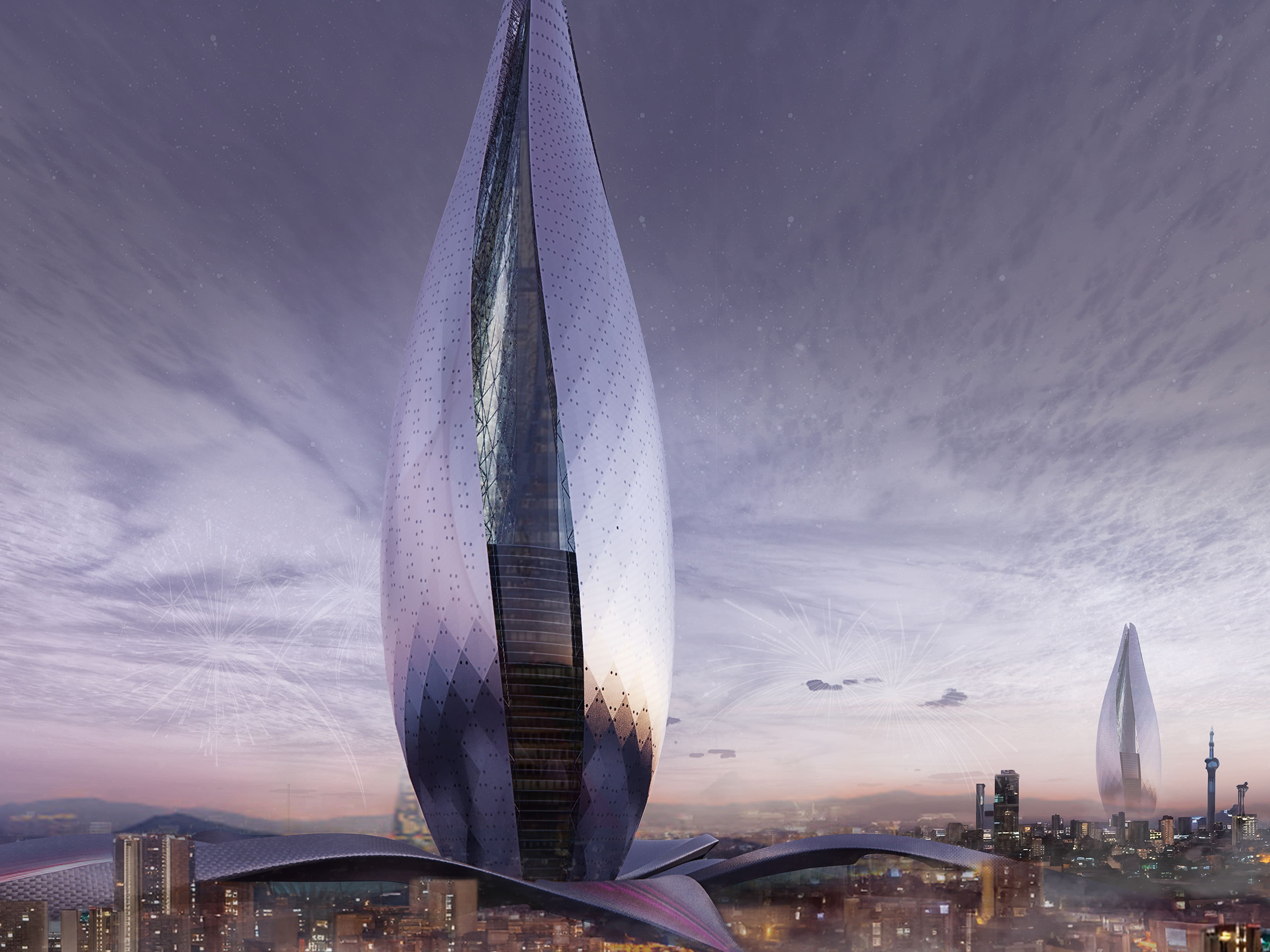
We are a generation that shares and has access to all kinds of information through the global network. We live almost permanently connected to the world and what is happening in it. We affect and are affected by it.

Moreover, we have the means to record every single experience that is shared with us and at the same time we share it. There is a permanent traffic of experiences, to tell them, to share them or to seek the approval of people we have never seen or will never meet in our lives. We need feedback almost permanently.

At the same time, this same generation, and because we have all these means, looks to the past not without a certain nostalgia and condescension for our ancestors, who did not have the means to have been able to record all that we would like to see, hear and experience from them. We know more and better people we will never get to shake hands with than we do our own grandparents and their life experiences, which are something intimate and personal. Read the rest of this entry »

Urban Framing Depot

By:  | June - 10 - 2024

2024 Skyscraper Competition
Honorable Mention

Yifan Shen, Yue Zhuo, Xiong Fei
United States

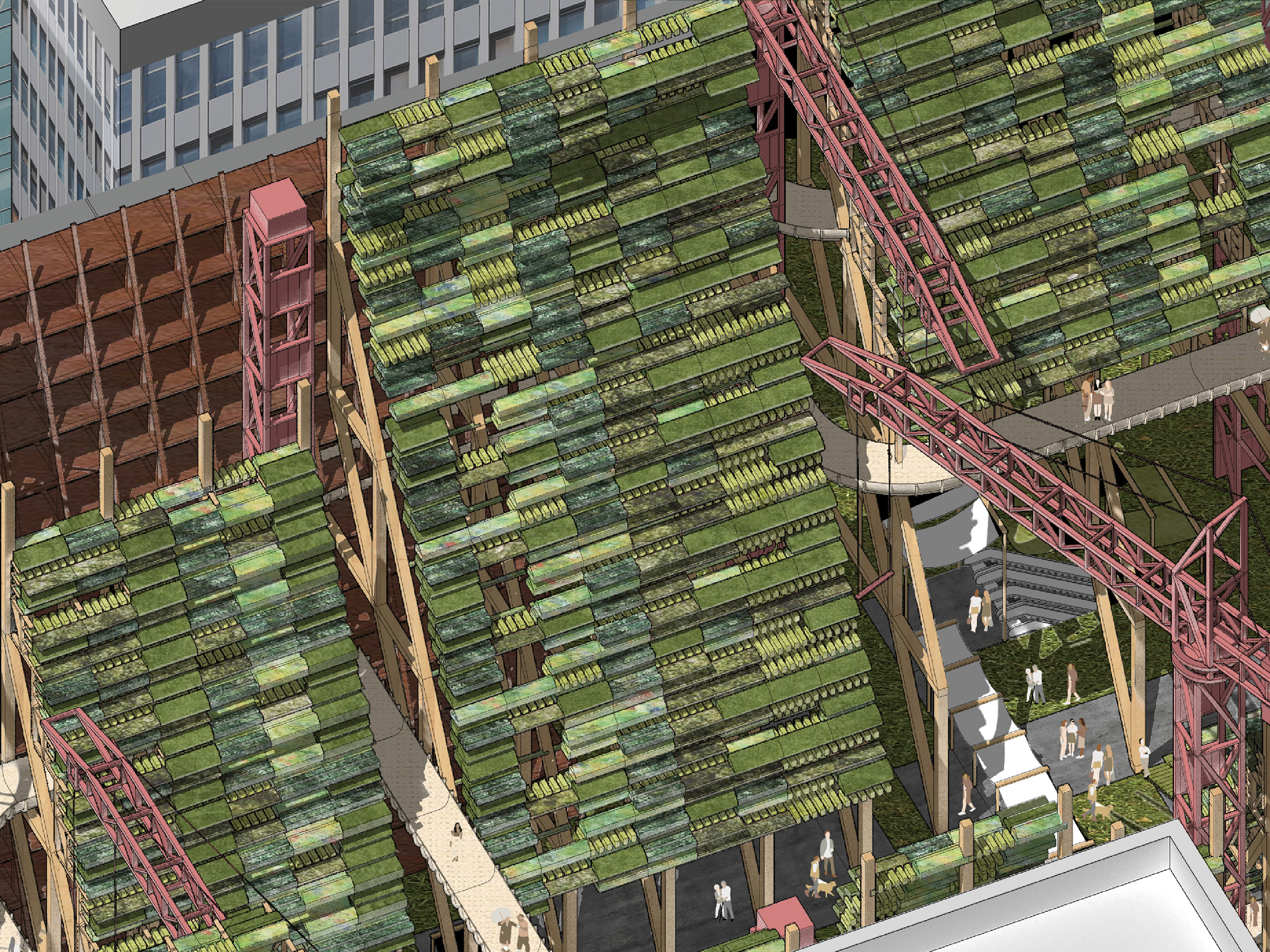
The Urban Farming Depot is conceptualized as a radical apparatus for food production and an urban monument. Through provocatively choreographing the food system and public activities between existing skyscrapers in cities, the project attempts to address urban food insecurity in metropolises around the world, using London as a testing site.

The existing food system in London is characterized by long-distance, carbon-heavy transportation. 99% of the food is imported from outside the city boundary, perpetuating excessive carbon emissions and unequal access to fresh and healthy food in the city. Currently, food is harvested in the countryside, processed in the suburbs, transported to wholesale markets by train, trucks, and planes, and distributed to local supermarkets or restaurants. A fundamental way for London to diversify its food source is urban farming. The farming depot collapses the whole food production process from a territorial scale to available urban sites as porous facade additions. Using vertical farming, we turn an abandoned site into a food production machine to make urban farms a considerable food source. The form is optimized to maximize the growing area. Sowing, growing, harvesting, retailing, and composting are all integrated into the megastructure. Read the rest of this entry »

Vertical Mega Region

By:  | June - 10 - 2024

2024 Skyscraper Competition
Honorable Mention

Lee Sang-min, Baek Changheon, Kim Yong Hee, Jung Chang Gyun, Kang Somang, Jo Youngjae, Seo Chaebin
South Korea

Background
Currently, the birth rate of the Republic of Korea has plummeted with rapid economic development since the 1960s. This is the result of a combination of social and cultural factors as well as economic factors. In fact, Korea’s total fertility rate reached 0.78 percent in 2022, the first OECD member to reach 0 percent range, less than half of the OECD average, indicating the seriousness of the low birth rate problem in Korea. As such, the low birth rate problem in Korea is one of the major social problems that raises concerns about the current population structure and future social and economic stability.

The causes of these problems can be seen socially, time, and physically, but time and physical problems can be seen based on social problems.
Currently, if you look at Seoul and neighboring Gyeonggi-do, there are many business facilities in Seoul, and the residential area per person in Seoul is very small, about 30㎡. Most of the population lives in the outer Seoul area and goes to and from Seoul using private and public transportation. It takes about twice as long to commute from here as 58 minutes each way compared to major OECD countries, but these commuting conditions reduce the quality of life, which can only take more than an hour at real distance due to poor transportation infrastructure and huge usage population. In other words, the distance in time is greater than the physical distance. Therefore, the residential environment centered on large cities found in Korea not only causes gentrification due to high cost and congestion, but also acts as a factor that makes marriage and childbirth hesitant. Read the rest of this entry »

Middle Land Skyscraper

By:  | June - 10 - 2024

2024 Skyscraper Competition
Honorable Mention

Xinyu Ma, Shengming Li, Zehui Li, Changyu Lu, Xinyu Ma
China

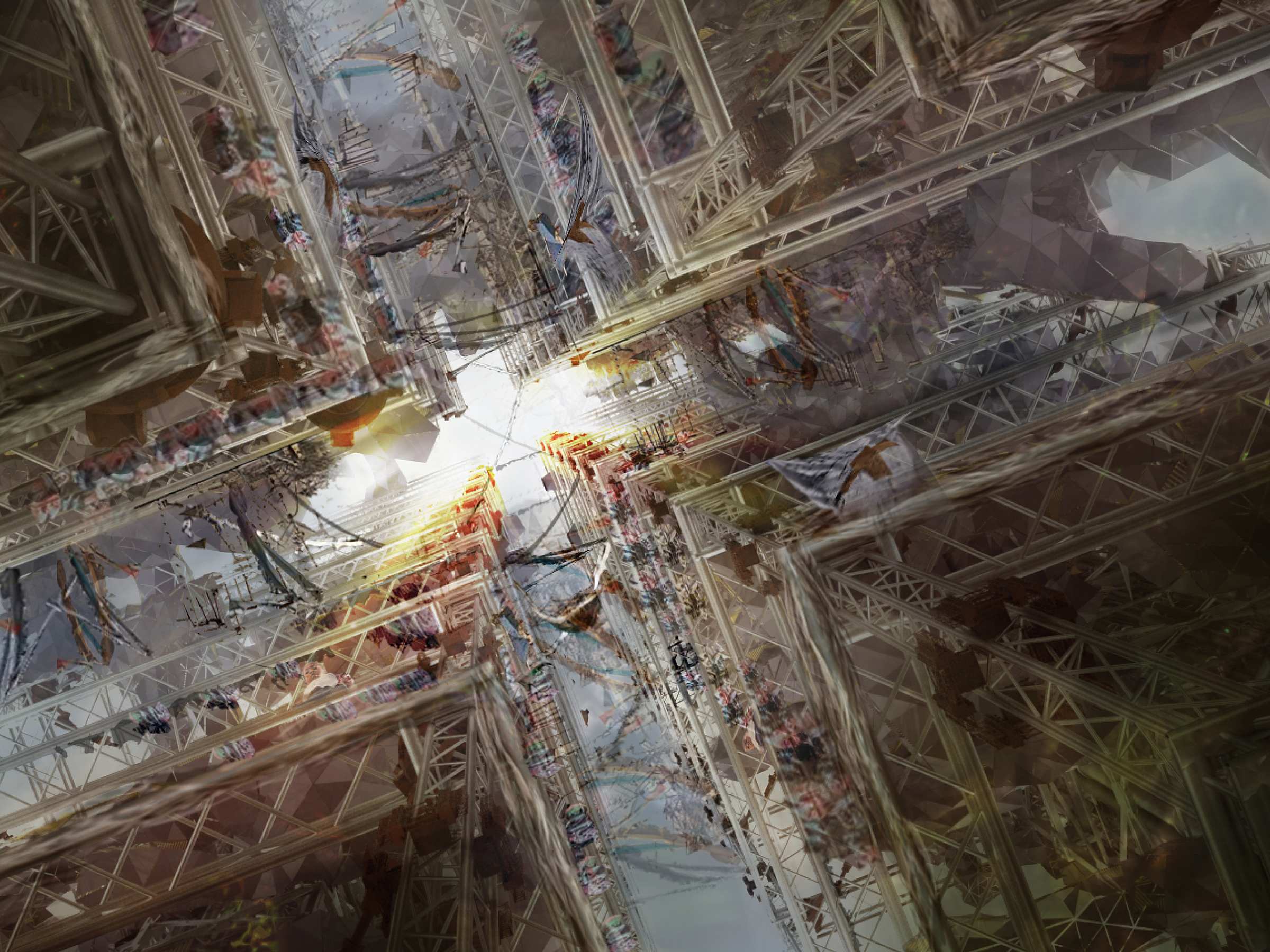
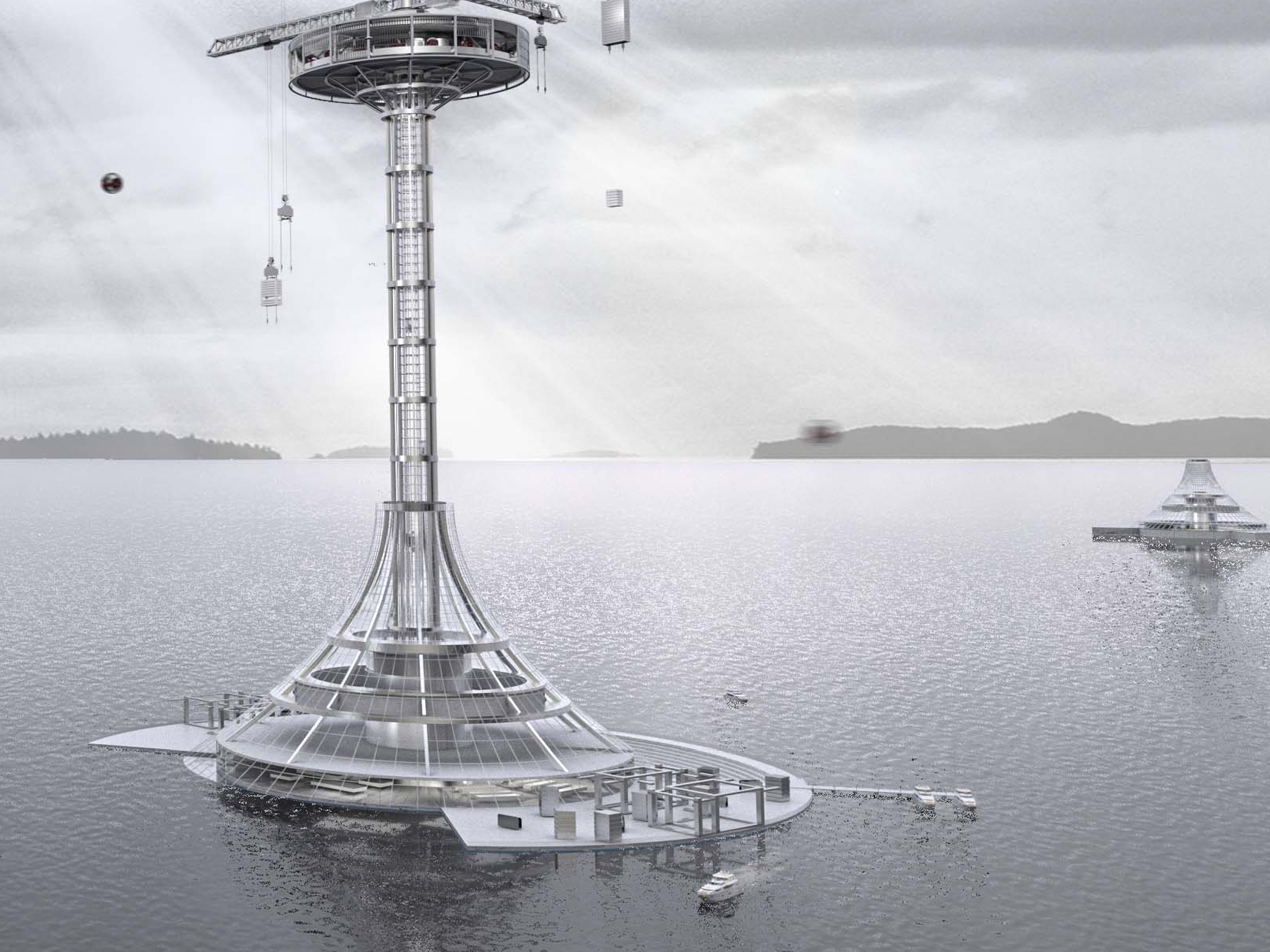
The building we are designing is called Middle land, which is a building that represents neutrality. Our idea of a neutral skyscraper comes from some disputes. With the intensification of international friction and competition for resources, all kinds of friction may become more frequent in the future, whether it is military conflicts or economic disputes that will affect people’s lives. We create such a space in order to bring more security to the lives of ordinary people and neutrals, it is not only a use of space, but also a sense of neutrality and distance conveyed to the future of human living space of the beautiful ideal.

The building is surrounded by a frame structure, equipped with lifts and robotic arms, which can be easily dismantled and erected to extend the height of the building upwards. In the middle of the structure are the building’s plumbing and various facilities. The building is made up of countless small monoliths. There are more than a dozen different mini-monoliths, each of which represents a different space with functions such as housing, public activities, protection, management, storage, and various facilities. Each monolith is supported by a telescopic pole, and each telescopic pole is connected by a movable sphere, so that it can be folded and compressed to save space when not in use or transported for fabrication. Read the rest of this entry »

Aerofiber Apex Skyscraper

By:  | June - 10 - 2024

2024 Skyscraper Competition
Honorable Mention

Fahim Ashab Faroquee, Mahir Aritro
Bangladesh
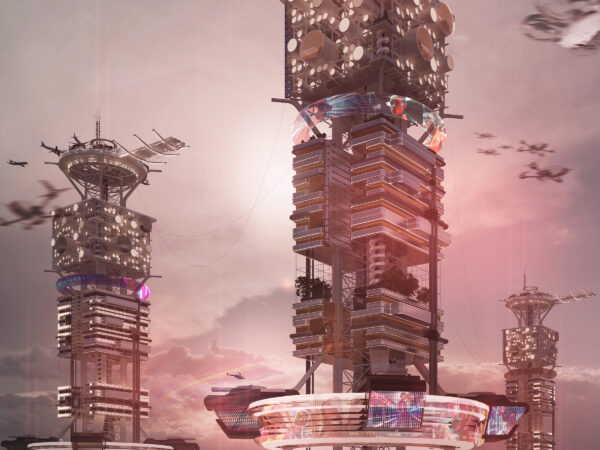
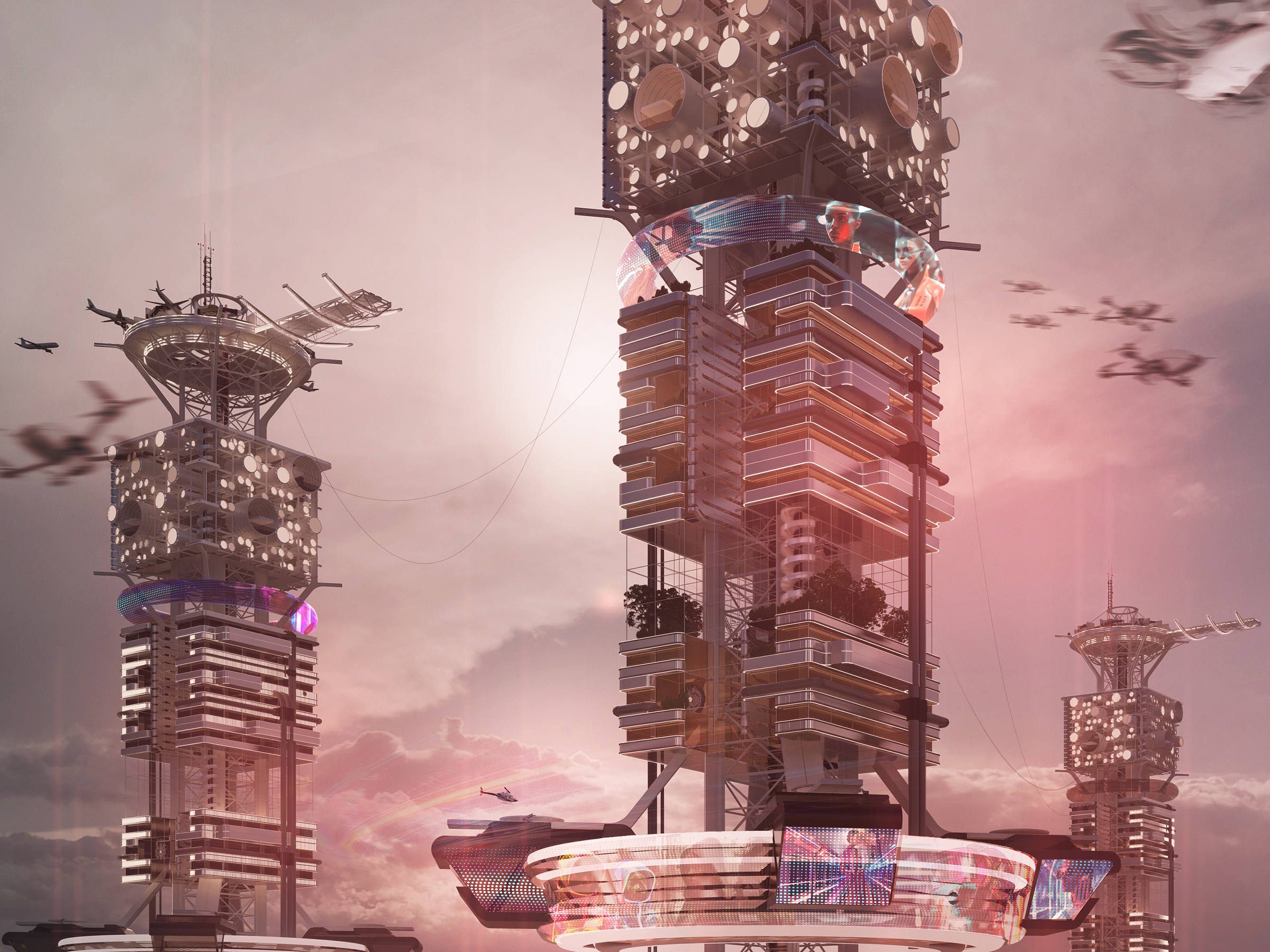
Within the ever-changing global economic landscape, industries serve as crucial drivers of growth, meeting increasing demands and propelling economic progress. However, the growing number of industries, while essential for meeting rising needs, brings environmental challenges. To address these issues, many industries are shifting toward sustainable practices, considering concerns about carbon emissions and resource depletion. Simultaneously, there’s a need to reassess traditional horizontal expansion, calling for vertical growth aligning with sustainable practices and efficient space utilization. This shift aims for more than just economic advancement, seeking a harmonious coexistence with the environment and recognizing the need to balance industrial growth with ecological preservation.

In the context of Bangladesh, the Readymade Garments (RMG) industry is a cornerstone, significantly contributing to export revenue and maintaining a prominent position in global apparel exports. Bangladesh’s global prominence in the Ready-Made Garment (RMG) sector significantly influences the nation’s GDP, contributing nearly 80% of export earnings. From $4 billion in 2000, the RMG sector expanded to $30 billion annually by 2018. As of 2022, Bangladesh ranks as the second-largest single-country contributor to the global garment export market, reaching $45 billion. However, the increasing number of garment factories poses multifaceted challenges, including environmental issues, logistical problems, and concerns about unsafe working conditions. Addressing these challenges, a visionary skyscraper project is proposed in Chittagong, strategically positioned to accommodate the projected increase in garment factories by the 2500s. With its unique housing solutions, such as living pods and common spaces, this design prioritizes the well-being of the staff and adopts a vertical, modular approach to sustainable expansion. The plan aims to balance ecological responsibility with economic growth in order to promote Bangladesh’s long-term prosperity. This design aims to set the standard for any industry considering vertical growth, independent of its consequences for the apparel sector. Read the rest of this entry »

Eternal Energy Tower

By:  | June - 10 - 2024

2024 Skyscraper Competition
Honorable Mention

Lee Jun, Nam Ki Hun, Hwang Seo Hui
South Korea

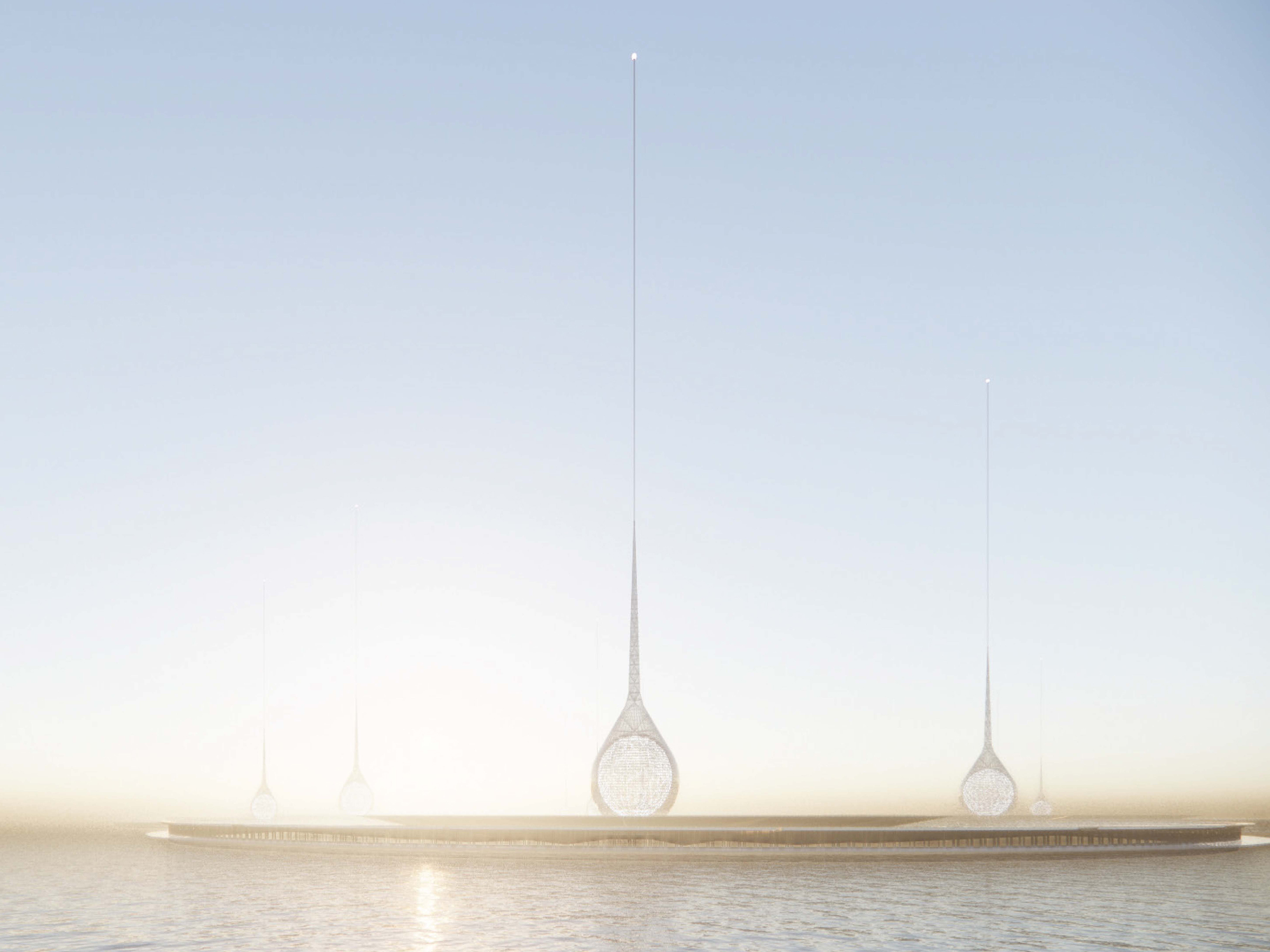
As global concerns about the environment continue to mount, there’s an increasing urgency to address energy-related issues. The pressing need for sustainable energy sources is becoming more evident as we grapple with the consequences of our reliance on fossil fuels. While renewable energy sources such as solar, wind, and geothermal offer promising alternatives, their intermittent nature and limitations in scalability still pose challenges in meeting our growing energy demands.

In light of these challenges, the quest for more reliable and efficient energy solutions has led to renewed interest in nuclear fusion technology. As the demand for energy continues to rise globally, particularly in advanced nations, nuclear fusion has emerged as a beacon of hope—a clean, high-capacity energy source that could potentially meet our energy needs without exacerbating resource depletion or greenhouse gas emissions. Read the rest of this entry »
2024 Skyscraper Competition
Honorable Mention

Shen Chengzhi, Chen Jiahao, Xu Yi
China

Once there were trees full of birds, Meadowlands vibrant with flowers;
Carefree the songs our children once sang, Gilding our minutes and hours.
Clouds came and covered the sun, The breath of the baleful unease,
Turning to ashes flowers in their fields, Silenced the birds in their trees.

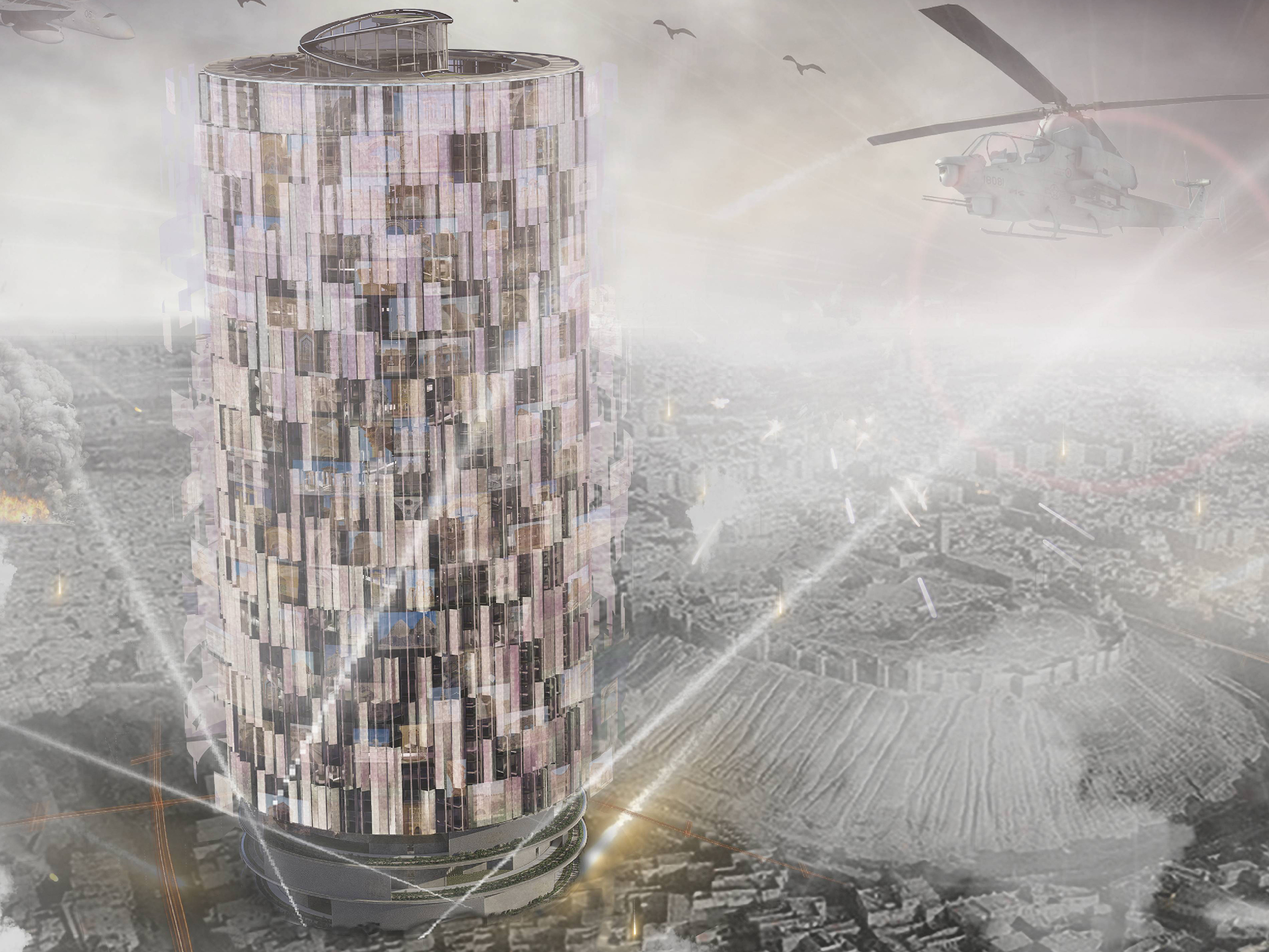
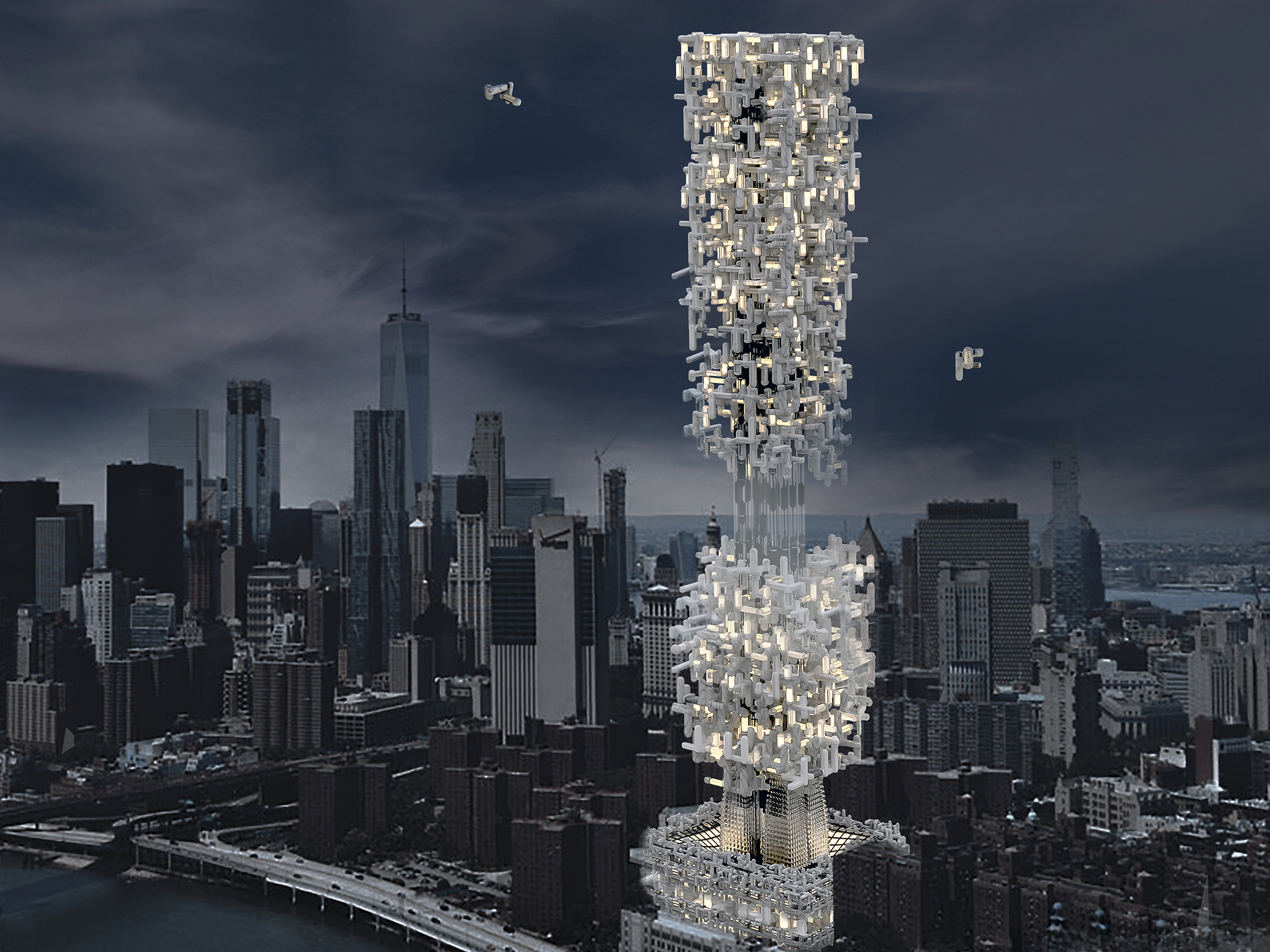
In nations facing upheaval, a deluge of refugees emerges, each representing a family’s tragedy. While we cannot halt these tragedies at their source, our aim is to construct a sanctuary resilient against disasters. We aspire to commemorate the former glory of cities and civilizations, igniting the refugees’ drive for progress. Read the rest of this entry »
2024 Skyscraper Competition
Honorable Mention

HSH Design Studio
Habib Shahhosaini (principal), Zahra Alishi, Yasna Aliakbari, Sahar Rezaei, Kousar Panahi, Sara Soleimani, Soheyl Behbodi, Asma Irani, Armaghan Shoaei
Iran

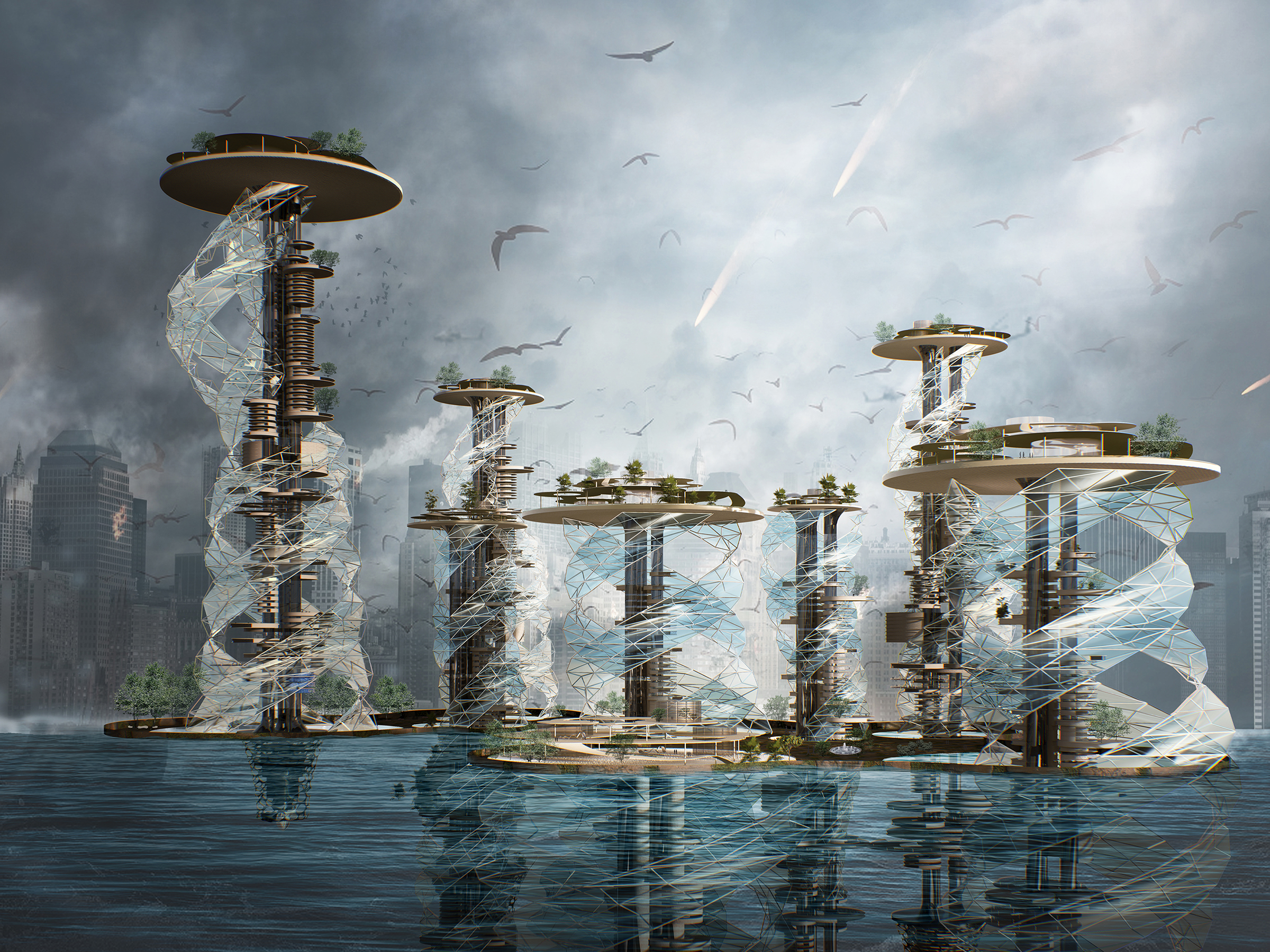
Nowadays, everybody discerns the tourism industry as the leading industry of the third millennium.

Based on the predictions made by the World Tourism Organization (WTO), the number of international tourists will reach two billion people in the next 20 years with an average growth of 43 million tourists per year.

Tourism, with all its sub-branches, is the sturdiest, most stable, and safest sector that can offer innumerable chances for employment and significant activities to the inhabitants of the planet. Actually, the tourism industry can support today’s global macroeconomic circulation in a peaceful context and away from environmental risks in an established and developable way.

In line with moving towards sustainable development, the tourism sector can comprise a large amount of economic and social strategies of countries in a promising way, and accordingly, one of the key concerns related to tourism is tourists’ residence. Since tourists must settle in an appropriate place and live there to stay and meet their basic living needs, therefore the diversity and proliferation of accommodation units is an evaluation index in the direction of the countries development level. Read the rest of this entry »
2024 Skyscraper Competition
Honorable Mention

Yinuo Zhang, Jialu Huang, Binbin Ye, Ya Yu
China

Recently, the news of the earthquake in Nengden Peninsula in Japan has aroused widespread concern around the world. As an island country, Japan has been threatened by various natural disasters since ancient times, which have had a far-reaching impact on its environment, economy and society. In view of the earthquake, tsunami, volcanic eruption, typhoon and other natural disasters faced by Japan, we have deeply studied the current problems and put forward targeted design solutions.

Design concept
Our design concept is to build a “mobile regeneration island” to cope with various natural disasters facing Japan. When a disaster comes, the regeneration island can move in real time according to the location of the disaster, thus reducing the impact of the disaster. Our research found that the impact of the tsunami was mainly concentrated in the shallow sea layer, so the regeneration island designed a rapid sinking mechanism, which could quickly avoid the tsunami. Read the rest of this entry »
The Weave Skyscraper

By:  | June - 10 - 2024

2024 Skyscraper Competition
Honorable Mention

Void Studio Architecture + Research Ltd
United Kingdom

A day in the life of an inhabitant of the Weave.

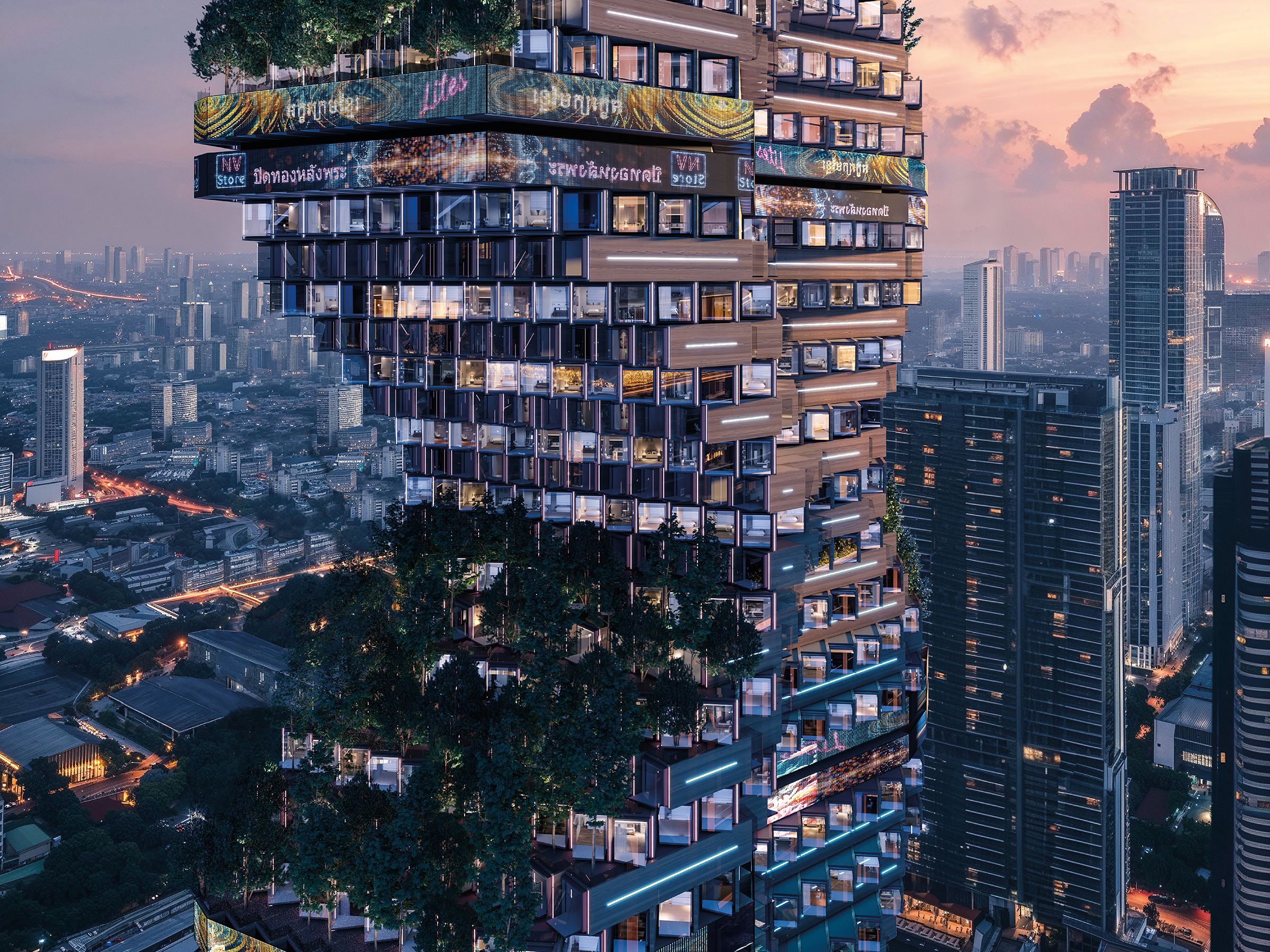
In the vibrant centre of Bangkok, Nara awoke on the The Weave’s 65th floor; an urban mixed-use tower, emerging from the fabric of South-East Asian urbanscape. An essential solution to the issue of overly dense valuable urban land, whilst preserving the unique characteristics of Thai street culture.
An interlocking timber-frame forms a layered topography of sun-facing urban rainforests and food gardens, the tower stands as a testament of the interplay between human engineering and nature’s unruly beauty.

Stepping onto her balcony, Nara finds herself immersed in the sensory garden embracing the facade. The defining feature, a timber lattice, intricately intertwined with the native flora, creates a dialogue between the rigid precision of architectural design merged with the natural tapestry of the urban rainforest. The natural feature of the façade maintains the temperature throughout the day, with less temperature fluctuations, as Nara experienced in her old apartment building.
‘Breathe in, breathe out’ whispers Nara as she walks towards her allotment. The community aquaponics garden allows residents to cultivate their own food, therefore, increasing locally sourced produce and a circular economy within the tower. The surplus produce is either sold at the Skytrain platform farmers market or supplies the food pods within the tower. The water that sustains the aquaponics allotments is captured early in the morning by fog collectors, which recirculates the moisture from the urban rainforest façade and integrates it in the tower’s food system. Utilising nature as a collaborator in the building design creates a healthy metabolism from which both human and plant life thrive. Read the rest of this entry »