
As seen in great historical London typologies such as the Gentlemen’s Club, or Josef Paxton’s Great Stove of Chatsworth, the city and culture of London has been a main thoroughfare of new programs and typological imaginations based on highly specific cultural desires and current needs of public space. These highly particular, explicit and most often bizarre desires, have also only been able to be realized through different shifts and improvements in technologies – technologies which have allowed phenomenally spanning glass seen in the Great Stove or even the industrial production and repetition of the structure in the Crystal Palace.
This work leverages the specificities of London itself, historical precedence, typological reference, highly specific subcultures, and site to generate a public sphere accessible to the greater public of the city.
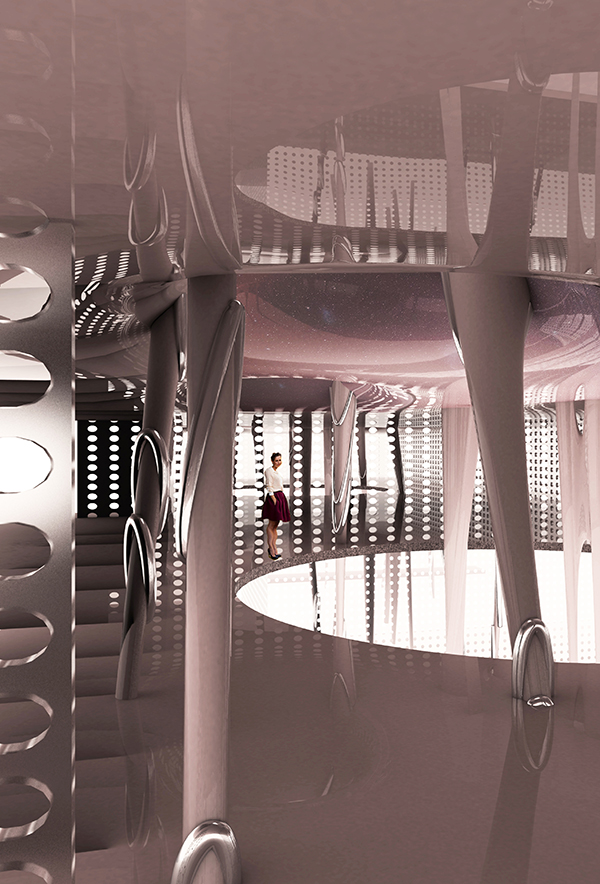
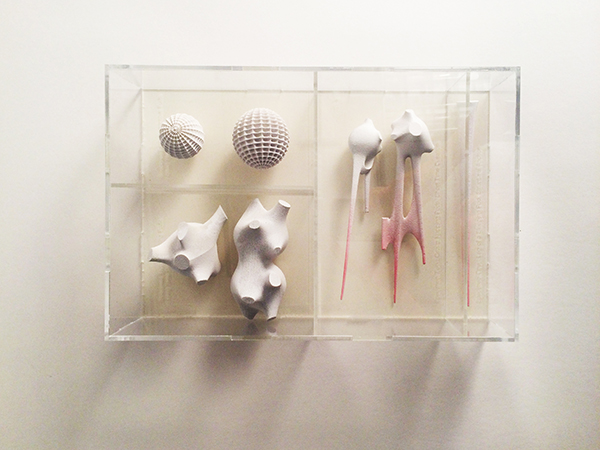
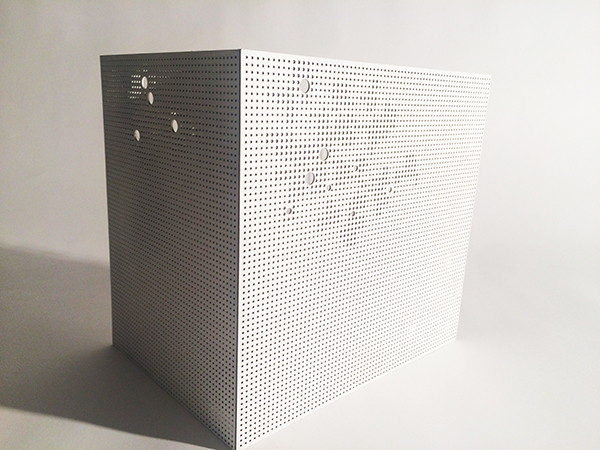
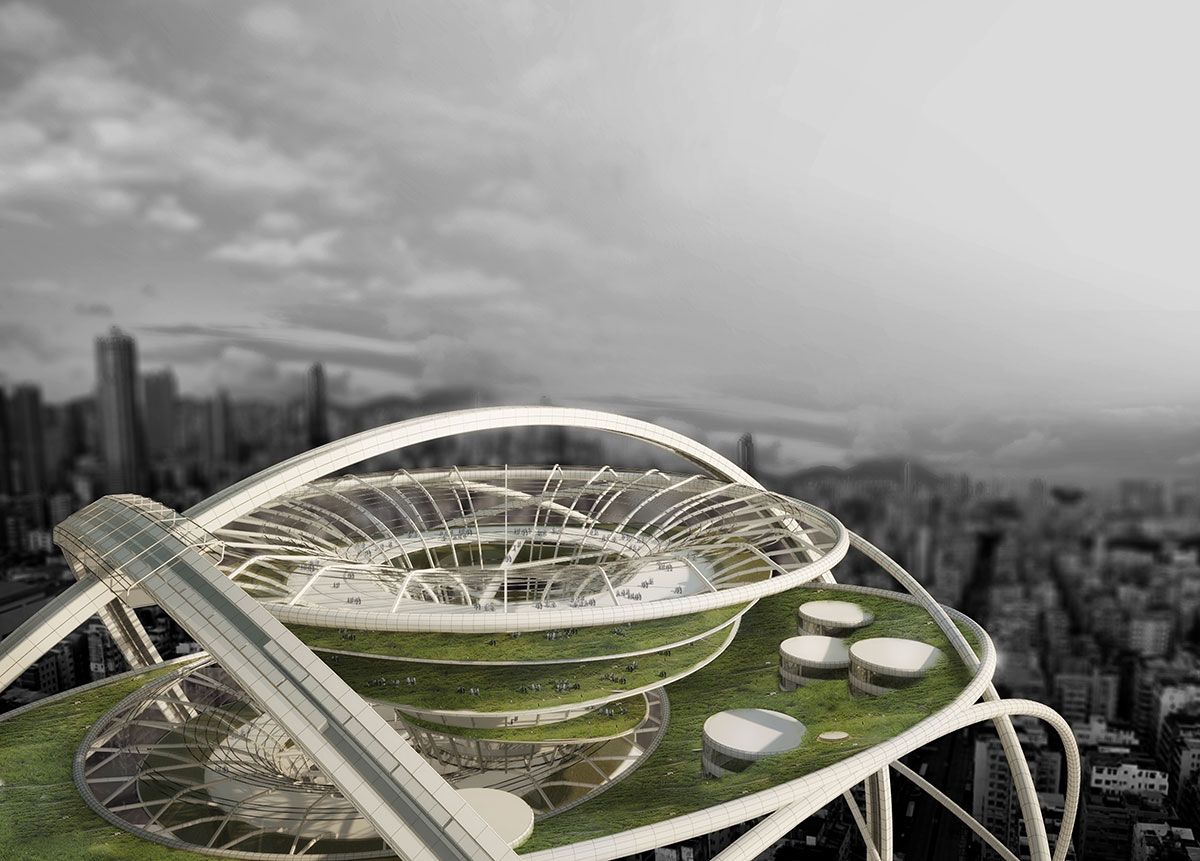
The Electric Garden is a greenhouse nightclub designed by Zack Mathhews at Harvard GSD. It is a place where nature and artifice collide – a place to get lost in the infinite. It is a place that brings an immersive purity to Brick Lane, a re-generating landscape famous for its cultural life, yet still a fringe suffocating from its past self.
A primary source of design research was instigated through the investigation of the “Health Goth” subculture which originated in Portland, Oregon, but has since grown intimate ties with the built environment of London. Health Goth is a subculture that has materialized through high tech clothing, multiple technical layers of “armour”, advanced materiality, and weaponry. These people are exemplars of the pristine – a discontent with the impurity of the surrounding world has led to a desire to generate overly-constructed scenes of clothing and artificial interior atmospheres.
Upon analyzing material culture, fashion, activities, and behaviors of the Health Goths, the first part of this project focused on generating a destination of interior atmospheres which supported the need to self-immerse in extremely “pure” and infinite space. As the sub-culture has only existed through making imagery and portraying oneself only through digital representation, the first task of the public space was to provide an armature solely for these people to exist – backdrops that alluded to the infinite, high contrast lighting, monochromatic material, etc. Read the rest of this entry »